To send emails from Fedena, you must configure the SMTP settings in your Fedena account panel. The SMTP settings can be acquired from your email service provider.
You can configure SMTP settings for the Fedena account and then allow all schools created under the account to inherit the SMTP settings, or each school can have independent SMTP settings.
Log in to your Fedena account.
On the top right, click your account name to open the account panel.
Click the Company option.
Or
If you are providing independent SMTP settings for a school, on the Schools tab, click the name of the school.
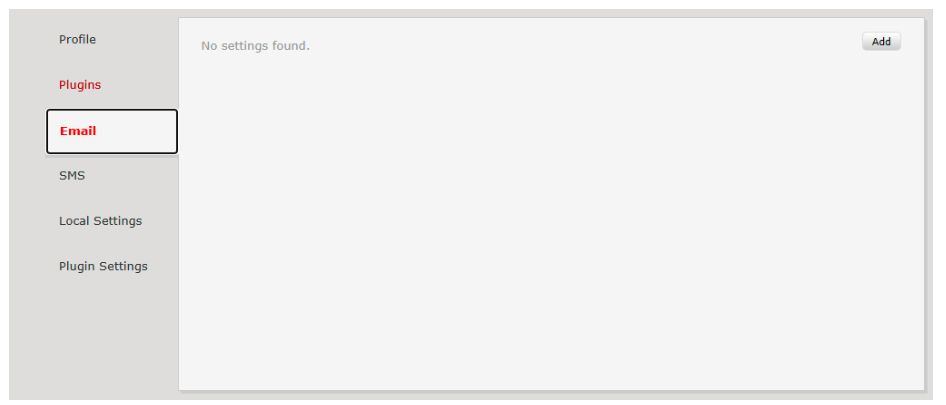
- On the left, click Email.
- On the right, click the Add button.
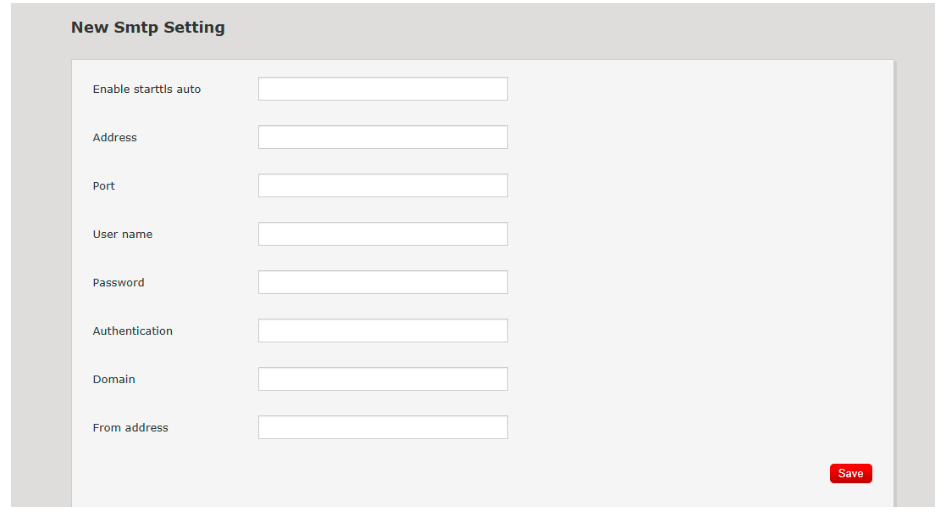
In the Enable starttls auto field, specify True or False. This field depends on the mail service provider For example, for Google mail, this is true. This field can also be blank for some mail service providers.
In the Address field, enter the SMPT mailer address. For example, smtp.gmail.com.
In the Port field, enter the port number used by the mail service provider.
In the User name and Password fields, enter the username and password for authenticated SMTP access.
In the Authentication field, enter the authentication method details according to the mail service provider. It can be plain, login, passwords, etc.
In the Domain field, enter the domain name. Some email service providers may use a domain name along with the address.
In the From address field, enter the email address that will be displayed in the 'from' field when emails are sent from the server.
Click the Save button.
To test your settings, click the Verify Settings button. A message will be displayed notifying you whether your settings are right or wrong. If your settings were right, you will receive an email to the email address used to set up your company/institution profile. If your settings were wrong, you will have to recheck your settings.
Note: If you are using free gmail account for smtp to help keep your account secure, google may block Fedena from accessing your account, and you’ll see a error message when trying to sign in.
How to Enable Two-Factor Authentication (2FA) and Generate an App Password in Gmail for Third-Party Applications
PART-1
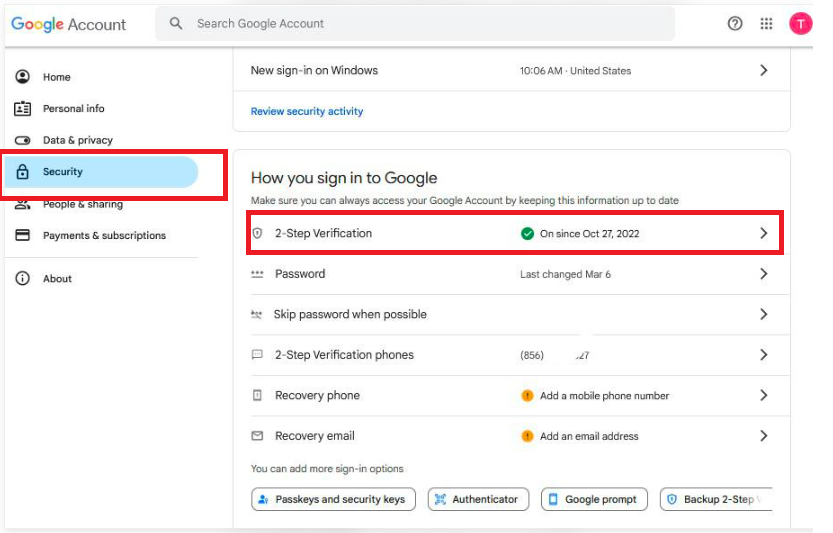
Step 1: Open Google Account Security
Open your browser.
Visit Google Account Security.
Log in using the Gmail account that you want to configure in Fedena.
Locate How you sign in to Google.
Click 2-Step Verification.
Step 2: Start the verification process
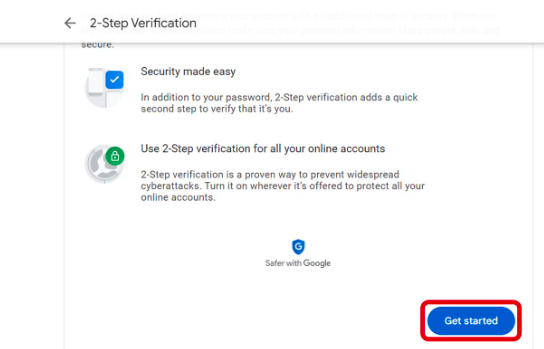
Click Get started.
Enter your Google account password if requested.
Google will ask you to select a verification method.
Follow the instructions displayed on the screen.
Step 3: Complete 2-Step Verification
You can select an available verification method:
Google Prompt on your mobile device.
Google Authenticator.
SMS verification code.
Security key or passkey.
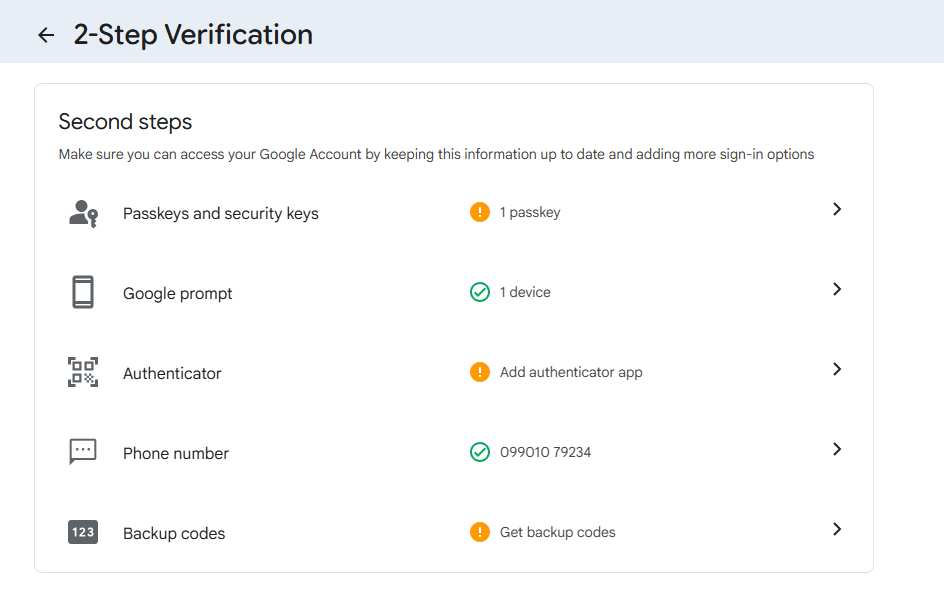
Complete the verification process.
Click Turn on to enable 2-Step Verification."Verification enabled Your Google account is now protected with Two-Step Verification".
Part 2
Generate an App Password for Third-Party Applications,Once 2-Step Verification is enabled, follow these instructions.
Step 1: Open the App Passwords page
1. Open the following link:
Sign in to your Google account if prompted.
You will be redirected to the App Passwords page.
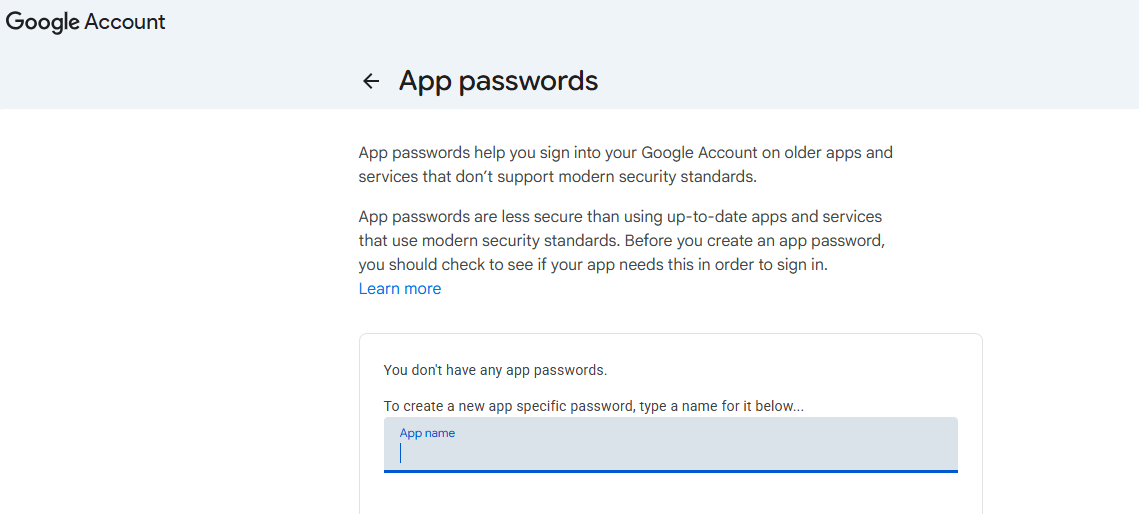
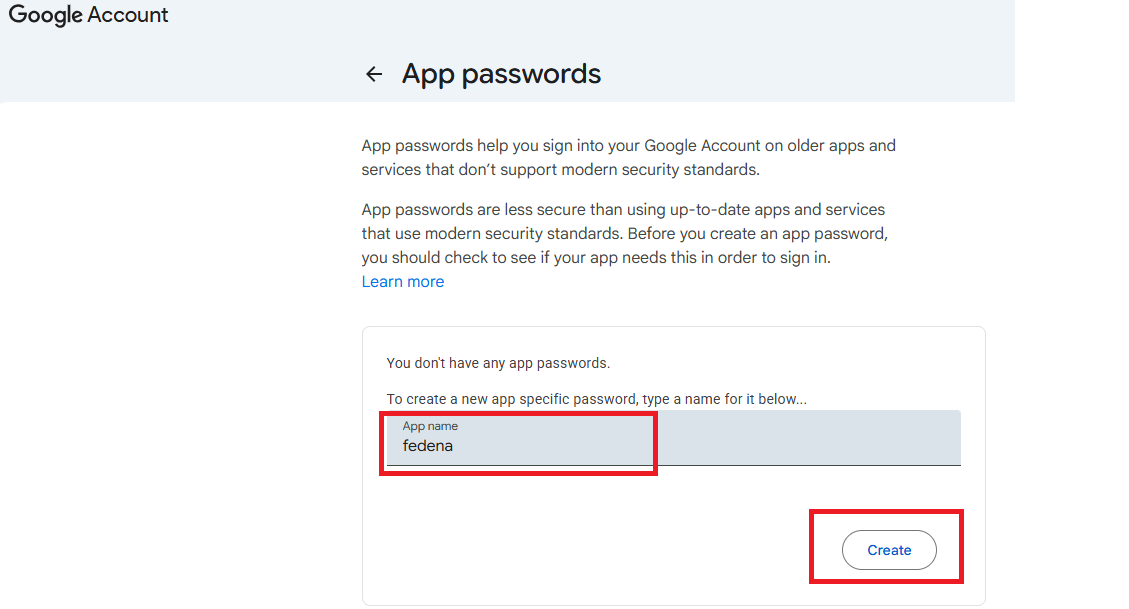
Step 2: Enter the application name
Enter a suitable name for the application.
For Fedena, enter:
Fedena
3. Click Create.
Step 3: Copy the generated App Password
Google will generate a 16-character App Password.
Copy the password displayed on the screen.
Store it securely.
Click Done.
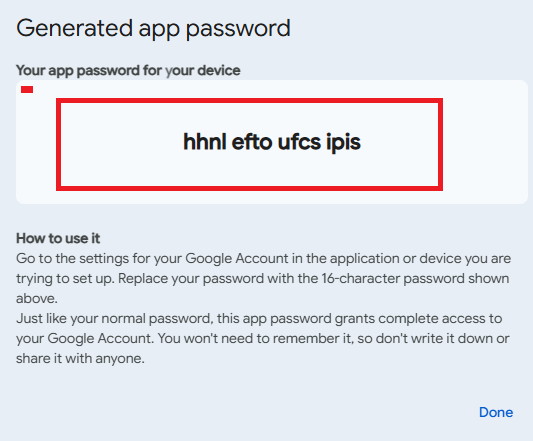
NOTE:
The App Password is displayed only once.
Never share it publicly or include it in support tickets.
Do not use the regular Gmail password in Fedena.
Generate a separate App Password for each application where appropriate.
Changing the Google account password revokes existing App Passwords.
Part 3
Configure the App Password in Fedena
After generating the App Password, configure the school's email settings in Fedena.
Use the following SMTP configuration:
Field
Description
Enable STARTTLS Auto
Set according to the email provider's requirements
Address
SMTP server address
Port
SMTP port number
Username
Email account username ( Email Id )
Password
app password from the email account
Authentication
Authentication method supported by the provider
Domain
Domain name, if required
From Address
Email address displayed as the sender

Was this article helpful?
That’s Great!
Thank you for your feedback
Sorry! We couldn't be helpful
Thank you for your feedback
Feedback sent
We appreciate your effort and will try to fix the article